


Kathmandu: The death toll due to the devastating flash floods in Nepal rose to 1,252 on Thursday, September 3, as more bodies were recovered from the affected areas, while risks of fresh floods loomed due to incessant rainfall in the upstream areas of the Bhotekoshi River.
The flash floods, triggered by an ice-rock avalanche near the Nepal-Tibet border on August 26, devastated towns and villages in northern and central Nepal, leaving a trail of destruction.
As the upstream areas of the Bhotekoshi River are continuously receiving rainfall on Thursday, there is the possibility of rising water levels in the Bhotekoshi and Trishuli rivers, as well as small rivers and rivulets flowing through Rasuwa and Nuwakot districts, said Saraswati Bishta, a technician at the Flood Forecasting Division of the Department of Hydrology and Meteorology.


Mid-level risk associated with flash floods
People residing in the surrounding areas and downstream of the river are urged to remain vigilant, she said.


There is a middle-level risk associated with flash floods in rivers situated in various districts, mainly those in the hilly region, including Taplejung, Panchthar, Terhathum, Dhankuta, Sankhuwasabha, Okhaldhunga, Udaypur, Chitwan, Gorkha, Tanahu, Lamjung, Manang, Mustang, Myagdi, Kaski, Syangja, Kathmandu, Lalitpur and Bhaktapur.
Similarly, rivers situated in mountain regions, including Kalikot, Humla, Jumla, Dailekh, Darchula, and Baitadi districts, are also swelling, resulting in risks associated with flash floods, she added.

Death toll on Chinese side rises
According to the data released by Nepal Police on Thursday, 355 bodies have been recovered from Chitwan district, 218 from Nawalparasi East, 208 from Nawalparasi West, including 18 recovered from India and handed over to Nawalparasi West, and 177 from Nuwakot.

Similarly, 127 bodies were recovered from Rasuwa district, 69 from Gorkha, 60 from Dhading and 38 from Tahanu.
On the Chinese side, the death toll in the flash flood that struck Gyirong county in Tibet near the Nepal border has increased to 21, with 541 others still missing as of Wednesday.
The joint rescue teams led by the Nepal Army have continued their search and rescue efforts on the ninth day, on Thursday, with the number of missing people estimated at 4,875.
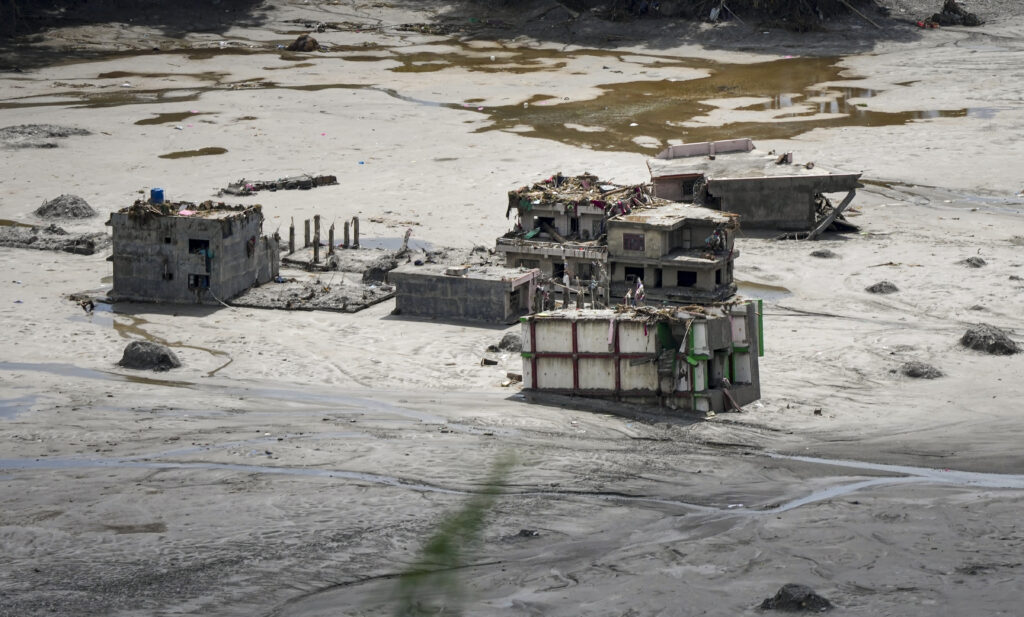
The floods have changed the landscape of the valleys of Rasuwa and Nuwakot, with helicopter pilots relying on their own discipline and judgement to navigate the steep terrain because riverbanks and familiar landmarks have disappeared, the Kathmandu Post newspaper reported.
PM links disaster to climate change, calls on international community
Prime Minister Balendra Shah on Wednesday, September 2, said the disaster’s link to climate change must be strongly raised with the international community.
Addressing the House of Representatives, PM Shah said the scale and nature of the disaster raised serious questions about the growing risks faced by people living in the Himalayan region due to climate change.
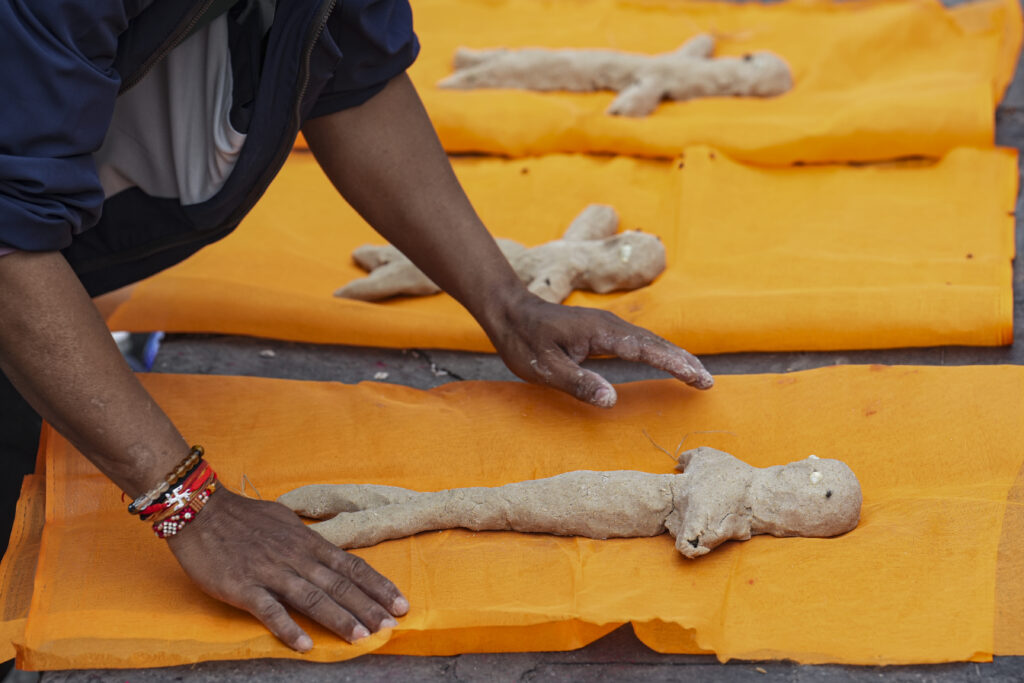
Families of those missing are creating funeral effigies and performing their final rites. Dozens of such effigies were cremated in a mass funeral at Pashupati Aryaghat on Wednesday.

Meanwhile, around 100 Nepalese nationals have been missing in Tibet following the devastating flash floods, Nepal’s Foreign Ministry spokesperson Lok Bahadur Chhetri has said.
Around 3,000 Nepalese nationals who entered Tibet for pilgrimage and business purposes were stranded in Tibet.
More than 2,500 of them have safely returned to Nepal through Hilsa and Tatopani border points, said Chhetri, adding that some of them also returned by air.
There are still around 1,500 Nepalese nationals stranded at the Kerung border point of Tibet. Officials of the two countries are holding consultations regarding ways to evacuate them safely to Nepal, the Foreign Ministry spokesperson said.