Hyderabad: For decades, Indian cinema has made its mark at the prestigious Cannes Film Festival. From critically acclaimed films to global red carpet appearances, India has enjoyed a strong presence at the festival. However, very few people know that the only Indian film to win Cannes’ highest honour was never properly released in Indian theatres.
First Indian Film Won at Cannes?
The film was Neecha Nagar, directed by Chetan Anand in 1946. It won the Grand Prix at the first-ever Cannes Film Festival, an award that later evolved into the famous Palme d’Or. This remains one of the biggest achievements in Indian cinema history.
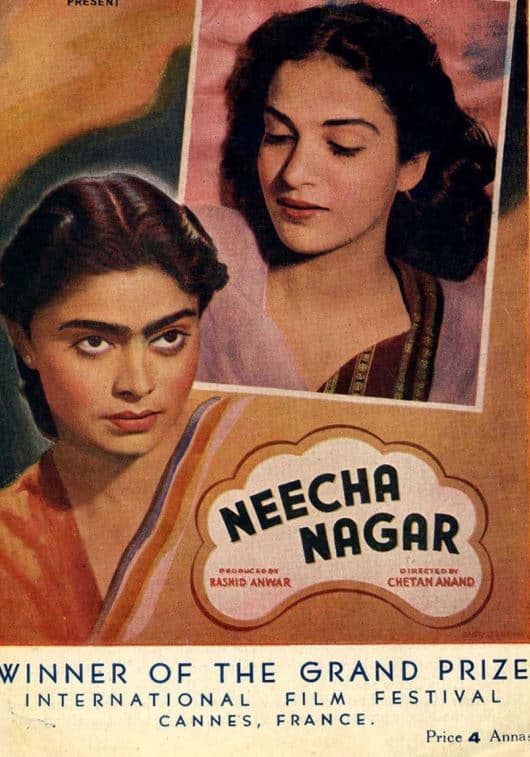
The story focuses on the divide between the rich and the poor. It follows the residents of a poor settlement called Neecha Nagar and their struggle against a wealthy businessman named Sarkar.


Sarkar plans to divert sewage water from the rich neighbourhood into the poor locality, putting the lives of its residents at risk. As disease and suffering spread, the people of Neecha Nagar come together to fight against injustice and exploitation.
Why Was Neecha Nagar So Special?
The film was inspired by Maxim Gorky’s famous play The Lower Depths. It addressed social inequality, class discrimination, and the struggles of ordinary people at a time when India was still under British rule.
The movie also marked the film music debut of Ravi Shankar, who later became one of India’s most celebrated musicians.

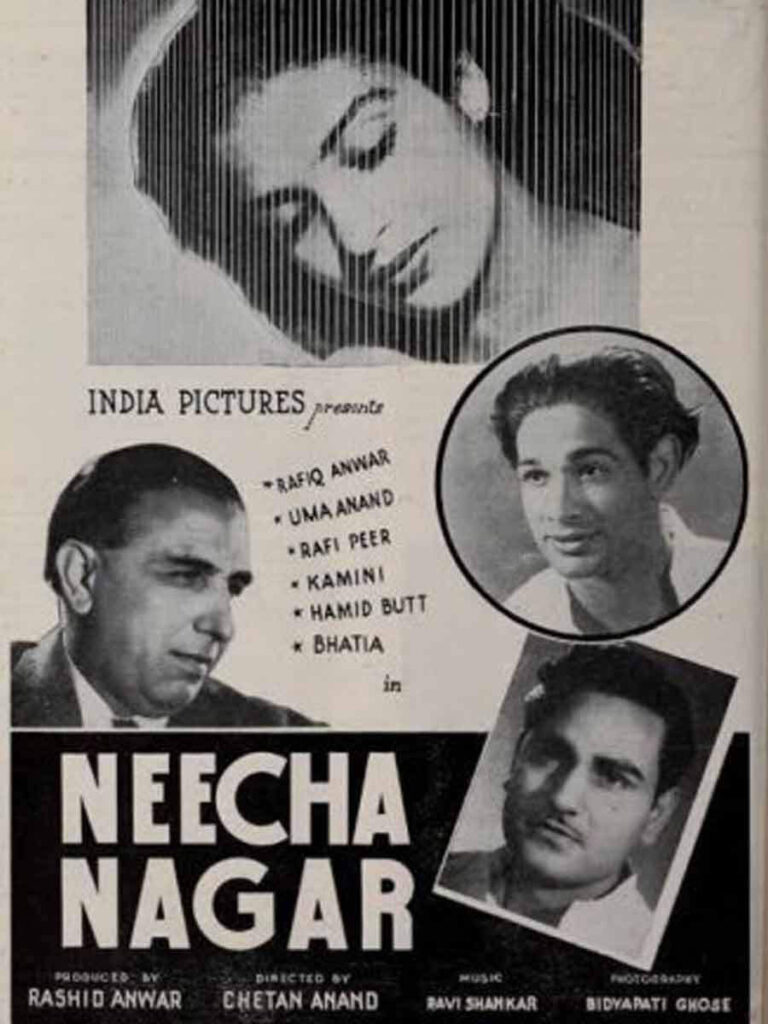
Film Never Released Properly in India
Despite winning international recognition, Neecha Nagar struggled to find distributors in India. Reports suggest that the film lacked commercial elements such as popular songs and major stars. Its strong social and political themes also made it a difficult sell during that period.
As a result, the film received only limited screenings and never enjoyed a wide theatrical release across the country.
Although it remained largely unseen by Indian audiences, Neecha Nagar changed the course of Indian cinema. It is considered one of the earliest examples of socially conscious filmmaking and influenced future generations of filmmakers.
Even after nearly 80 years, it remains the only Indian film to have won Cannes’ highest prize, making it a landmark achievement in the country’s cinematic history.
 | |
| |