
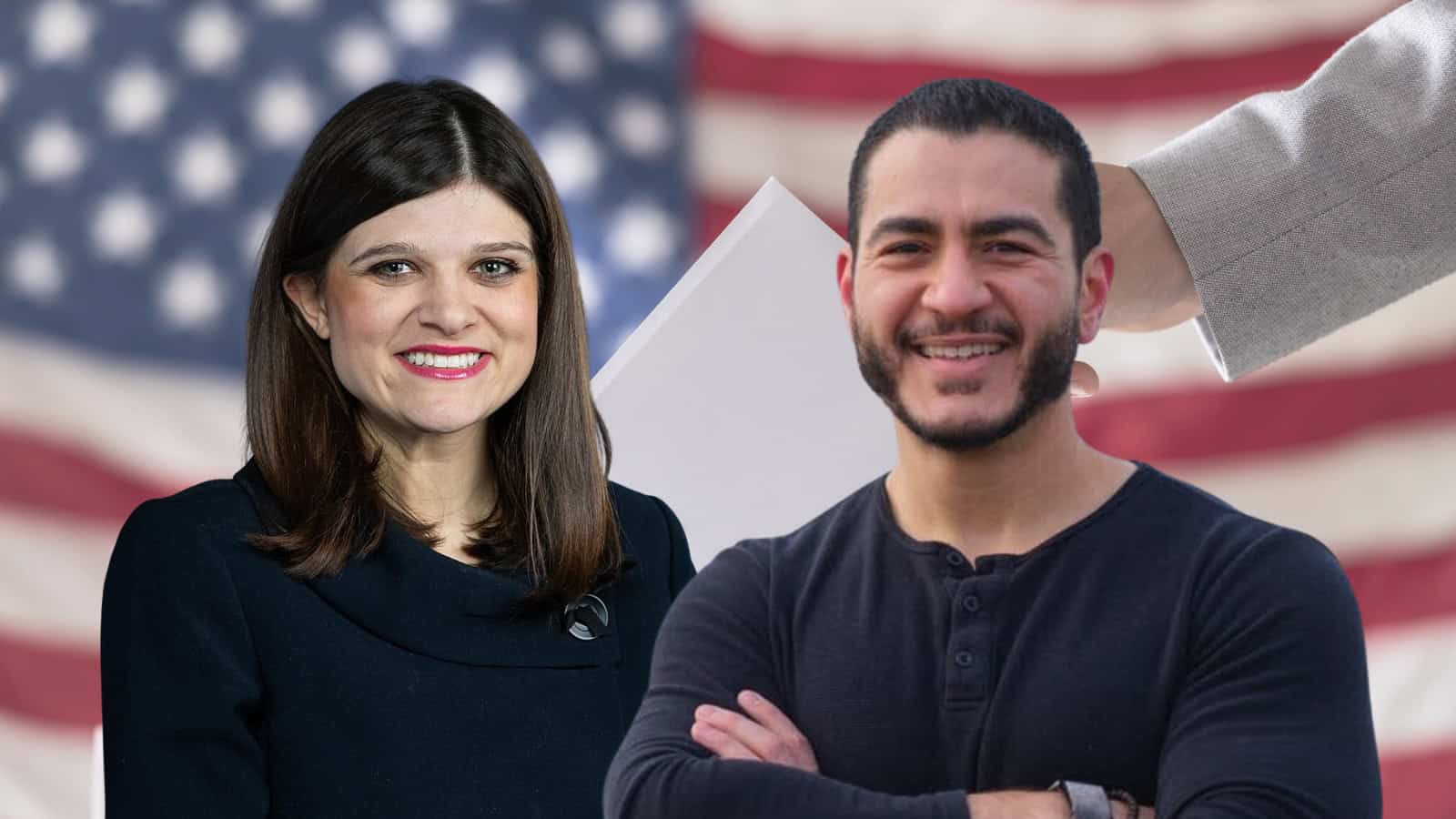
Mumbai/New York: A Mumbai resident who runs a comedy page on Instagram was among dozens of people paid to circulate street-interview videos promoting Democrat Haley Stevens in the run-up to Michigan’s US Senate primary, The New York Times has reported.
The clips featured people presented as ordinary Michigan residents talking about the cost of living and voicing support for Stevens. At least 36 such videos appeared on X, Facebook, Instagram and Threads and were watched millions of times.
Two groups that track online disinformation found that most of the accounts sharing them were operated from India, not Michigan. Account holders were paid between USD 1 and USD 5 for every 1,000 views. None of the posts disclosed that anyone had paid for them.


The Mumbai link
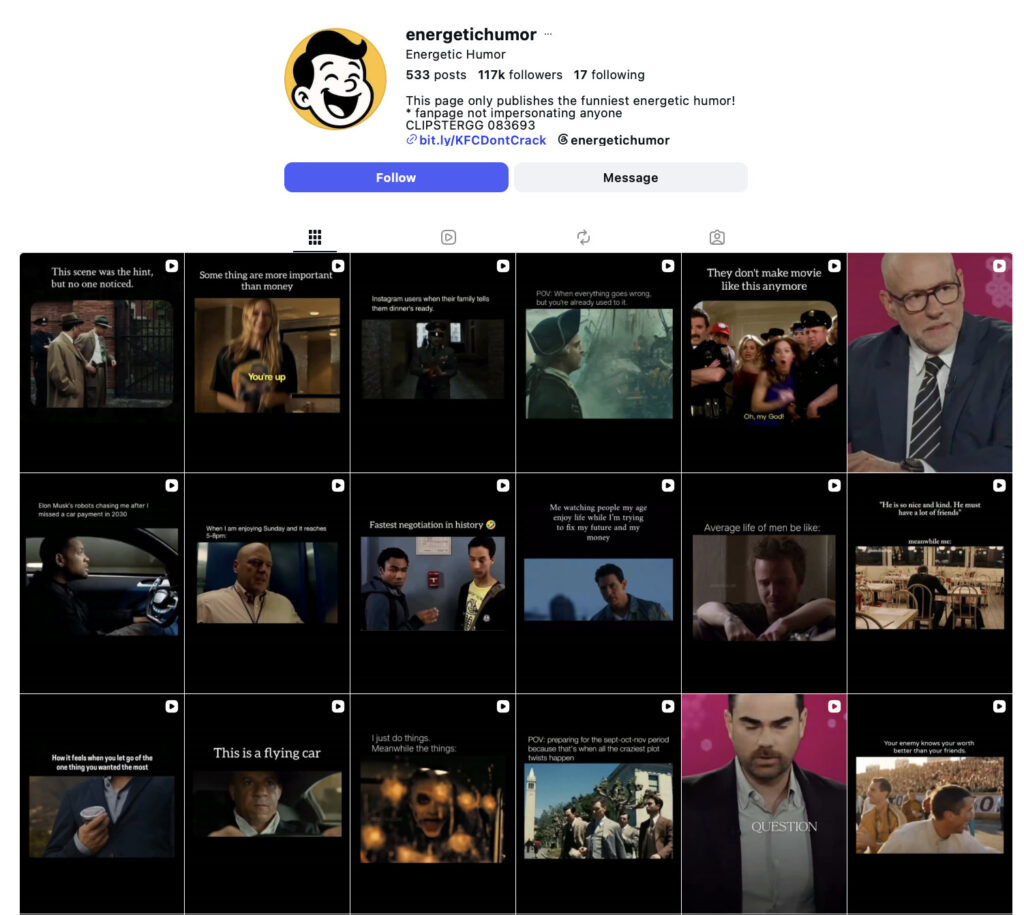
Ayush Jain, who runs the Instagram account Energetic Humor, told the NYT that he made about USD 15 a post. He said he published 40 such posts across several accounts he controls.
Jain said his contract required the videos to stay up for at least 30 days. They have since been taken down.
The account has gone back to posting clips from American cartoon shows. Political posts still appear among them, including recent ones backing Steve Hilton, the Republican candidate for California governor. A comment on one of the Hilton posts says his campaign paid for it.

Middleman firm
Jain was hired by Lumina Clippers, one of many firms that sell online visibility through networks of accounts. Its clients range from consumer brands and cryptocurrency ventures to political campaigns.
The company is registered in Bethlehem, Pennsylvania, uses a phone number in the United Arab Emirates (UAE) and is run by Rhys McKay, an Irish national living in Portugal.
McKay confirmed his company’s role to the NYT and said it had engaged dozens of posters like Jain. He would not name the client or say what the contract was worth, citing confidentiality.
McKay argued that people online now scroll straight past political advertising, while voter interviews hold their attention. Internet users, he said, “resent being force-fed content.”
Who paid remains unclear
It is still not known who produced the videos or who financed them. The people shown in them give only a first name and a hometown.
According to the NYT, the videos do not appear to be AI-generated deepfakes, and some were shot on recognisable Detroit streets. However, detection tools flagged possible signs of manipulation in a few.
Most of the clips praised Stevens and discussed issues. At least one repeated a right-leaning news site’s criticism of her rival, Abdul El-Sayed, over his tax return disclosures.
The report said the effort was likely linked to one of the political action committees or other outside groups working to defeat El-Sayed. Those groups put about USD 60 million behind Stevens, according to media-tracking firm AdImpact.
Caitlin Legacki, who worked as a strategist for the campaign until July, said she was certain the campaign had no role. She suggested that many interests would not want someone with El-Sayed’s politics in the Senate.
Stevens’s federal election filings show payments to three media firms.
Researchers trace the network
The operation was first spotted by Antibot4navalny, an anonymous volunteer group known for exposing Russian troll campaigns. It traced 28 X accounts that together drew more than 7 million views.
Researchers at Clemson University’s Media Forensics Hub found more accounts on Meta’s platforms. Some had earlier been linked to Chinese bot networks and one Instagram profile carried a bio written in Mandarin.
Darren Linvill, a co-founder of the Clemson lab, said some of the same accounts had also shared posts by Michael Carbonara, a Florida Republican who lost a House primary in August. The accounts typically built an audience with clickbait before switching abruptly to political material.
Close contest, earlier complaints
El-Sayed went on to win the August 4 primary by a narrower margin than polls had predicted. He beat Stevens by roughly 15,000 votes, and Stevens later conceded on X and endorsed him. In his victory remarks, El-Sayed noted that he had overcome about USD 70 million in outside spending. He now takes on Republican Mike Rogers in November.
This was not the first time the race drew questions about undisclosed promotion. In July, MS NOW reported a wave of coordinated posts from purported Michigan residents supporting Stevens that did not reveal who, if anyone, had paid for them. A Stevens campaign spokesman denied any knowledge of or involvement in that effort.
 |

