


Indirect talks between the United States and Iran continued in Doha on Wednesday, July 1, with US President Donald Trump describing the negotiations as “very good” while Iranian Foreign Minister Abbas Araghchi warned the United States and Israel against any threat to Iran’s leadership.
The developments came on the 14th day since Washington and Tehran signed the Islamabad memorandum of understanding (MoU) and 124 days after the conflict erupted, as diplomatic efforts continued alongside military warnings and heightened regional security concerns.
Speaking before departing for North Dakota, Trump said the negotiations were advancing positively.


“As far as things are going, the denuclearisation of Iran is moving along well. They’ve had very good meetings, and we’ll see,” he told reporters.
“We hit them very hard… but we’re getting along very well,” Trump added, while reiterating that Iran would not be allowed to obtain a nuclear weapon.
Technical teams from both countries are continuing discussions on implementing the interim memorandum of understanding, with talks focusing on Iran’s frozen overseas assets, the Strait of Hormuz and other confidence-building measures.

Araghchi warns US and Israel
Araghchi issued a strongly worded warning after Israeli Defence Minister Israel Katz said Iran’s wartime supreme leader Mojtaba Khamenei was “marked for death” and insisted Israel would prevent Tehran from developing nuclear weapons.
In a post on X, Araghchi said the Islamabad memorandum clearly required Washington to restrain Israel from escalating the conflict.
He said the United States had committed itself to preventing further hostilities by Israel and warned that any threat against Iran’s people or leadership would receive an “Immediate Powerful Response”.
Israel keeps military option open
Katz said Iran was attempting to secure concessions through negotiations but maintained that Israel would not allow Tehran to acquire nuclear weapons.
He also warned that another military confrontation remained possible, saying Israel would respond forcefully to any future Iranian attack regardless of whether the United States joined military operations.
Later, speaking at a memorial ceremony for those killed in the 2006 Lebanon war, Katz said Israel had already carried out two pre-emptive strikes against Iran and would launch a third if it considered it necessary.
He added that Israeli forces would remain deployed in security zones in Lebanon, Syria and Gaza.
Qatar hosts fresh diplomatic meetings
Qatar continued its mediation efforts as the negotiations progressed.
Qatar’s Emir Sheikh Tamim bin Hamad Al Thani met US negotiators Steve Witkoff and Jared Kushner to discuss progress in the talks with Iran and efforts to strengthen the ceasefire in Lebanon.
Iranian Deputy Foreign Minister Kazem Gharibabadi also met Qatari Prime Minister Sheikh Mohammed bin Abdulrahman Al Thani before attending a trilateral meeting involving a Pakistani representative.
Araghchi said working groups had been established to oversee implementation of the interim agreement and prepare for negotiations on a comprehensive deal.
Iran reports easing economic restrictions
Iranian President Masoud Pezeshkian said recent diplomatic agreements had begun producing economic benefits.
According to the semi-official Fars News Agency, he said continued oil exports, easing financial and foreign exchange restrictions and new opportunities for economic cooperation were among the early results of the negotiations.
Iran delays further MoU implementation
Iranian Parliament Speaker Mohammad Bagher Ghalibaf said Tehran would not proceed with the remaining provisions of the memorandum of understanding until the first five clauses had been fully implemented.
He also described the Strait of Hormuz as Iran’s greatest strategic asset.
Former Israeli army chief disputes Netanyahu
Former Israeli army chief Gadi Eisenkot accused Prime Minister Benjamin Netanyahu of exaggerating Iran’s nuclear capabilities.
According to Israeli media reports, Eisenkot said Iran did not possess nuclear bombs and alleged Netanyahu had misrepresented the threat to frighten the Israeli public.
Strait of Hormuz remains under scrutiny
Shipping organisations extended the designation of the Strait of Hormuz as a warlike operations area until at least July 9 after attacks on two vessels last week despite the ceasefire.
The International Transport Workers’ Federation and the Joint Negotiating Group said the security designation reflected continuing risks to commercial shipping and would be reviewed weekly.
The designation allows seafarers operating in the area to receive additional compensation while increasing costs for shipping companies.
Meanwhile, maritime tracking data showed commercial vessels continued using the Oman-designated shipping route through the Strait of Hormuz despite Iran’s objections.
The route, coordinated by Oman with the International Maritime Organization, runs close to the Musandam Peninsula and was introduced to safeguard freedom of navigation during heightened regional tensions.
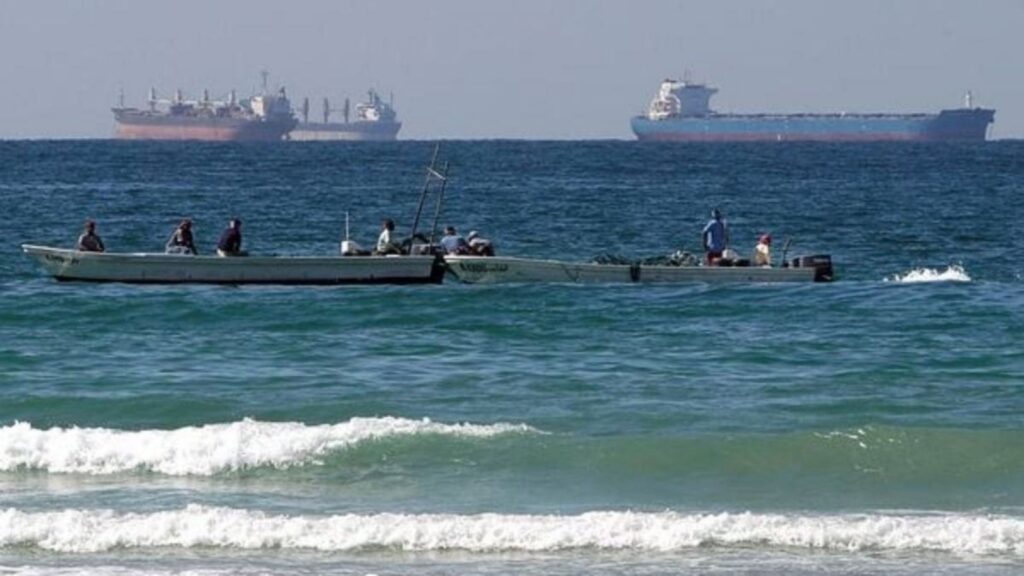
UKMTO reports armed boats approaching vessel off Yemen
The United Kingdom Maritime Trade Operations (UKMTO) said on Wednesday that a merchant vessel reported several small boats carrying armed individuals approaching it about 76 nautical miles south of Balhaf, Yemen.
The agency said it was monitoring the incident and advised vessels operating in the area to remain vigilant and report any suspicious activity.
Iran denies reports on Khamenei burial
Separately, Iran’s funeral committee rejected reports claiming Supreme Leader Ali Khamenei and members of his family had already been buried.
Committee spokesperson Attarzadeh said the bodies had been preserved in accordance with religious and legal requirements but did not disclose when or where the funeral would take place.
The denial came as Iranian authorities continued preparations for Khamenei’s funeral while urging large public participation to demonstrate national unity.
The latest developments highlight the fragile balance between diplomacy and deterrence, with negotiations continuing even as regional rivals maintain military readiness and exchange warnings.

